Garcinia And Appetite Control: An Honest Look At Mixed Research
Garcinia Extract, standardized for hydroxycitric acid (HCA), is one of the most common appetite-support ingredients in the weight-management category.
Unlike caffeine, the research picture here is genuinely mixed, and it's worth understanding why before expecting too much from any one formula.
The proposed mechanism
Garcinia's hydroxycitric acid (HCA) is studied for two proposed roles: supporting satiety (feeling fuller, potentially eating less) and inhibiting an enzyme involved in converting excess carbohydrates into stored fat. Both are plausible biochemical mechanisms, which is why the ingredient remains popular in this category.
Why the research is described as mixed
Human trials on garcinia and weight management have produced inconsistent results — some show a modest benefit over placebo, others show no meaningful difference. This kind of mixed picture is common in nutrition research generally, but it means garcinia sits in a different evidence tier than caffeine, which has more consistent findings across studies.
Being honest about individual variation
What the evidence does not support
Garcinia is not a proven weight-loss treatment on its own, and it should not be expected to produce a dramatic appetite suppression effect. It's reasonably described as a supportive ingredient that may help some people, rather than a guaranteed one.
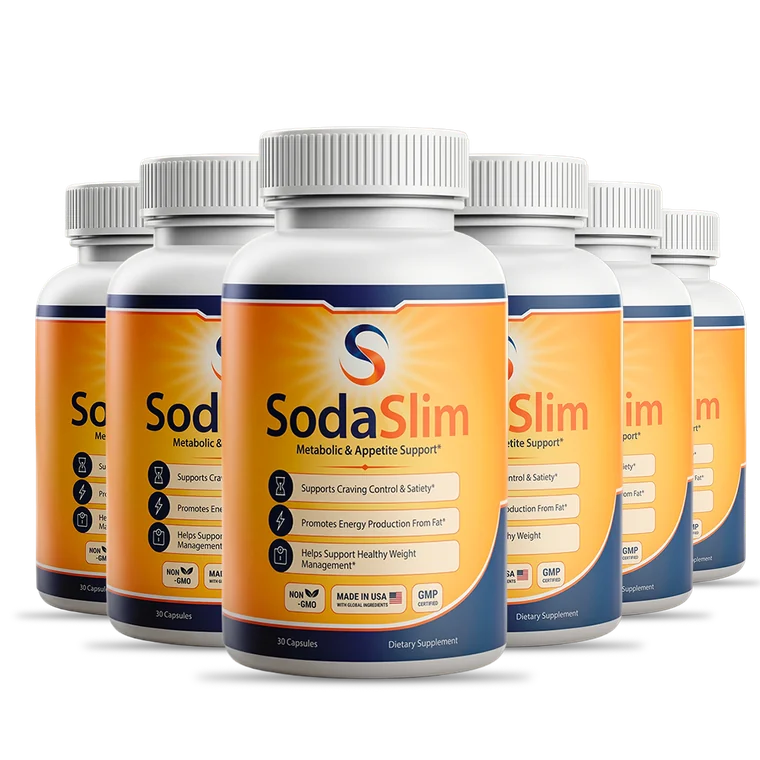
Applying this to SodaSlim
Garcinia Extract is included in SodaSlim's formula alongside Raspberry Ketone for the appetite-management side of the formula. Given the mixed research, it's reasonable to treat this as a supportive addition rather than the primary reason to try the product.