What Actually Affects Weight, Beyond Any Single Supplement
Calorie balance, sleep quality, protein intake and consistency of habits all measurably affect weight management — often more than any single supplement can.
Understanding the fuller picture helps set realistic expectations for what nutritional support can and cannot do on its own.
Energy balance is still the foundation
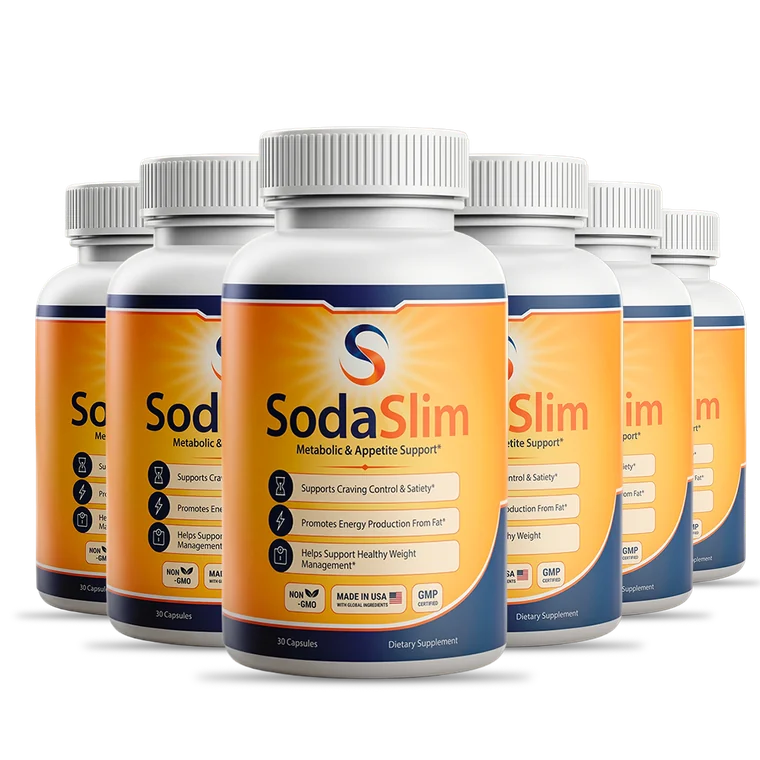
Weight change over time is fundamentally driven by the relationship between calories consumed and calories expended. No supplement, including SodaSlim, changes this basic relationship — ingredients like caffeine can modestly shift the expenditure side, but the effect is small relative to changes in diet and activity.
Sleep is a bigger lever than most people expect
Poor sleep is associated with increased hunger hormones (ghrelin) and reduced satiety hormones (leptin), along with reduced willpower for food choices the next day. This is part of why a guide on sleep is a genuinely relevant pairing with a metabolic-support supplement, rather than an unrelated bonus topic.
Protein and fiber intake
Higher protein and fiber intake are both associated with greater satiety per calorie consumed, meaning dietary composition, not just calorie count, affects how hungry you feel throughout the day.
Consistency beats intensity
Sustainable, moderate changes maintained consistently over months tend to outperform aggressive short-term changes that are hard to sustain. This is consistent with how supplement manufacturers themselves generally frame realistic timelines — weeks, not days.
Where nutritional support realistically fits
Applying this to SodaSlim
Formulas like SodaSlim are designed to supply a modest energy and appetite-support boost layered on top of the habits above, not a shortcut around them. If sleep, diet composition or consistency are the actual bottleneck, no supplement, this one included, will fully offset that on its own.