Caffeine And Metabolism: What The Research Shows
Caffeine is one of the most studied compounds in the metabolic-support category, with a research base that is genuinely more substantial than most other ingredients in this space.
It's arguably the single ingredient with the clearest evidence in a formula like SodaSlim's, though the combined total across multiple ingredients matters for comparing products fairly.
Two effects, reasonably well established
Caffeine's two most consistently documented effects are increased alertness and a modest increase in energy expenditure (thermogenesis). Both are measurable in controlled research, though the size of the metabolic effect is genuinely modest — caffeine is not a substitute for the calorie deficit created by diet and activity.
Why pairing with activity matters
Caffeine's effect on calorie expenditure is most reliably observed when paired with physical activity rather than at rest. This is part of why formulas like SodaSlim are positioned as support for an active routine rather than a standalone solution.
The combined-source caffeine question
What the evidence does not support
Caffeine is not a treatment for obesity, and its thermogenic effect, while measurable, is modest relative to the effect of sustained diet and exercise changes. Tolerance can also build with regular use, meaning the alertness effect may become less pronounced over time even as other formula ingredients continue building their effect.
Applying this to SodaSlim
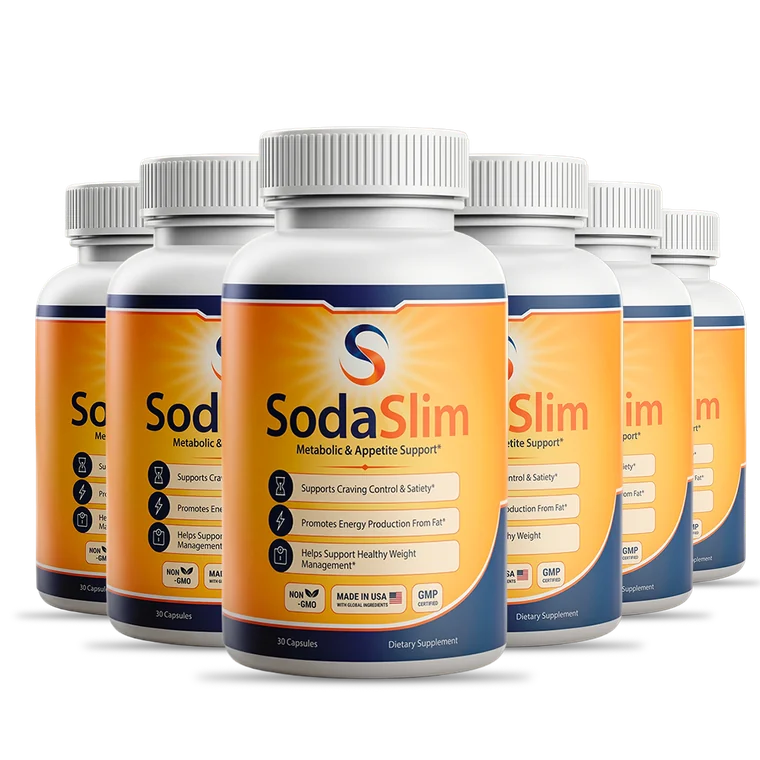
Caffeine Anhydrous is the headline ingredient in SodaSlim's five-ingredient formula, combined with Green Tea Extract's natural caffeine content for a combined total of more than 138mg per capsule — a detail worth factoring into your total daily intake if you also drink coffee or energy drinks.